A Comprehensive Overview to Cheese Production: Steps, Difficulties, and Top Quality Control Measures
Cheese production is an intricate process that requires precise interest to detail, from the preliminary choice of high-quality milk to the final phases of manufacturing. As we take a look at these elements, it becomes clear that the future of cheese production will certainly be formed by advancing trends and technologies that might redefine typical practices.
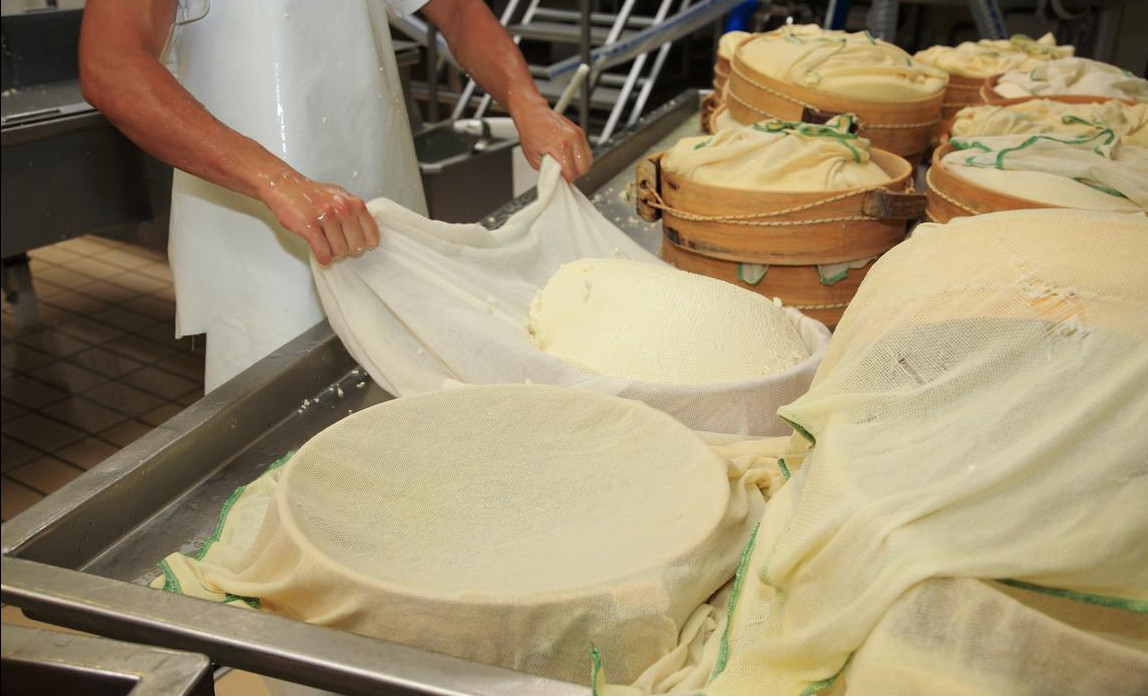
Introduction of Cheese Production
Cheese manufacturing is a complicated procedure that transforms raw milk into a varied variety of dairy products, each with one-of-a-kind flavors and structures. The trip starts with the option of premium milk, which can originate from numerous sources, including cows, goats, and sheep. The structure of the milk-- fat content, protein levels, and the existence of details cultures-- plays a crucial function in the last item.
The procedure typically involves a number of stages, consisting of pasteurization, where unsafe microorganisms are eliminated, and the addition of starter cultures and rennet, which help with milk coagulation. When coagulated, the curds are divided from the whey, and the curds go through numerous therapies, consisting of cutting, food preparation, and pushing, which significantly influence the cheese's attributes.
In addition, elements such as aging conditions, moisture, and temperature level can drastically modify the taste account and appearance of celebrity. The art of cheese production relies heavily on the cheesemaker's knowledge, as they have to stabilize scientific research and creative thinking to generate high-quality cheese. Comprehending these foundational elements is necessary for appreciating the complex nature of cheese manufacturing and the broad spectrum of cheeses available in the market today.

Secret Actions In Manufacturing
The cheese manufacturing process includes numerous essential steps that jointly transform raw milk right into a finished item. The process begins with milk collection and quality evaluation, making sure that the raw product meets the needed criteria for cheesemaking. Following this, the milk is pasteurized to get rid of dangerous bacteria, improving the security of the last item.
Following, certain starter societies are included to the sterilized milk, promoting the fermentation procedure. Subsequently, rennet is introduced to coagulate the milk, resulting in the separation of curds and whey.
Once the desired texture is achieved, the curds are drained and pressed right into mold and mildews, forming celebrity. Salting is an essential step, contributing to flavor, preservation, and moisture control. Afterward, celebrity might undertake aging or ripening, throughout which tastes and appearances create better. Ultimately, the ended up cheese is packaged for circulation. Each of these actions is critical in ensuring the quality and qualities of the cheese produced.
Common Obstacles Encountered
While the cheese manufacturing process is meticulously made, numerous difficulties can occur that impact both manufacturing effectiveness and product quality. One common difficulty is variations in raw material quality, particularly milk.
An additional significant challenge is keeping optimal fermentation problems. Temperature and humidity variations during aging can cause undesirable microbial growth, affecting flavor accounts and cheese safety and security. In addition, staffing issues, including a shortage of skilled labor, can prevent operations and lead to errors in manufacturing processes.
Tools maintenance is likewise important; failures can disrupt operations, leading to manufacturing hold-ups and enhanced prices. Last but not least, regulative compliance offers its very own set of challenges, as producers should stick to stringent food safety criteria, which can vary by area. Browsing these challenges requires a proactive strategy, including comprehensive training, routine equipment checks, and strong provider connections to guarantee a consistent and high-quality cheese output.
Top Quality Control Methods
Guaranteeing item consistency and safety relies greatly on efficient quality assurance methods throughout celebrity production procedure. These strategies browse around this web-site incorporate different stages, from resources selection to final product evaluation.
One vital facet is the surveillance of milk top quality, which involves testing for microbial click here for info contamination, somatic cell matters, and antibiotic deposits. Carrying out rigorous vendor evaluations ensures that only top quality milk is utilized, laying a solid structure for the cheese-making procedure.
During manufacturing, important control points (CCPs) have to be determined and kept an eye on. This includes temperature control during pasteurization and fermentation, as well as pH tracking throughout curd formation - cheese makers melbourne. Normal tasting and analysis of whey and curds can aid identify deviations from preferred criteria early
Post-production, sensory examinations, chemical analyses, and microbiological testing are vital to verify that the end product fulfills established high quality requirements. Product packaging and storage conditions additionally need close oversight to protect against perishing and contamination.
Integrating a robust quality administration system, consisting of paperwork and traceability, supports compliance with food safety guidelines. By taking on these comprehensive high quality control methods, cheese suppliers can considerably boost product quality and customer depend on.
Future Trends in Cheesemaking
As celebrity production landscape progresses, innovative practices and innovations are shaping the future of cheesemaking. One notable pattern is the raising use automation and expert system (AI) in manufacturing processes. These technologies improve efficiency, lower labor costs, and enable greater precision in cheese formula and aging, leading to regular top quality and taste profiles.
Sustainability is one more critical focus, with cheesemakers embracing eco-friendly methods, such as sourcing milk from neighborhood farms, making use of renewable resource my blog sources, and implementing waste reduction methods. This shift not just attract environmentally mindful consumers but likewise addresses governing pressures for sustainable practices.
Additionally, the need for artisanal and specialty cheeses proceeds to increase, triggering producers to discover one-of-a-kind taste mixes and innovative aging techniques. This fad is matched by the growing passion in plant-based and non-dairy cheese options, driven by dietary choices and health and wellness considerations.
Additionally, improvements in technology facilitate boosted traceability, allowing customers to better recognize the beginning and production techniques of their cheese. As these trends unfold, the cheesemaking industry is poised to welcome a future defined by technology, sustainability, and a commitment to high quality.
Verdict
In recap, cheese production incorporates an intricate interplay of processes, obstacles, and quality assurance steps that are crucial for generating diverse cheese varieties. The selection of top quality milk, adherence to pasteurization standards, and precise fermentation problems are vital for making sure product safety and security and uniformity. Attending to existing difficulties, such as labor scarcities and tools maintenance, alongside embracing future patterns in automation and sustainability, will dramatically enhance the cheese industry's capability to satisfy advancing consumer needs and keep high standards.